
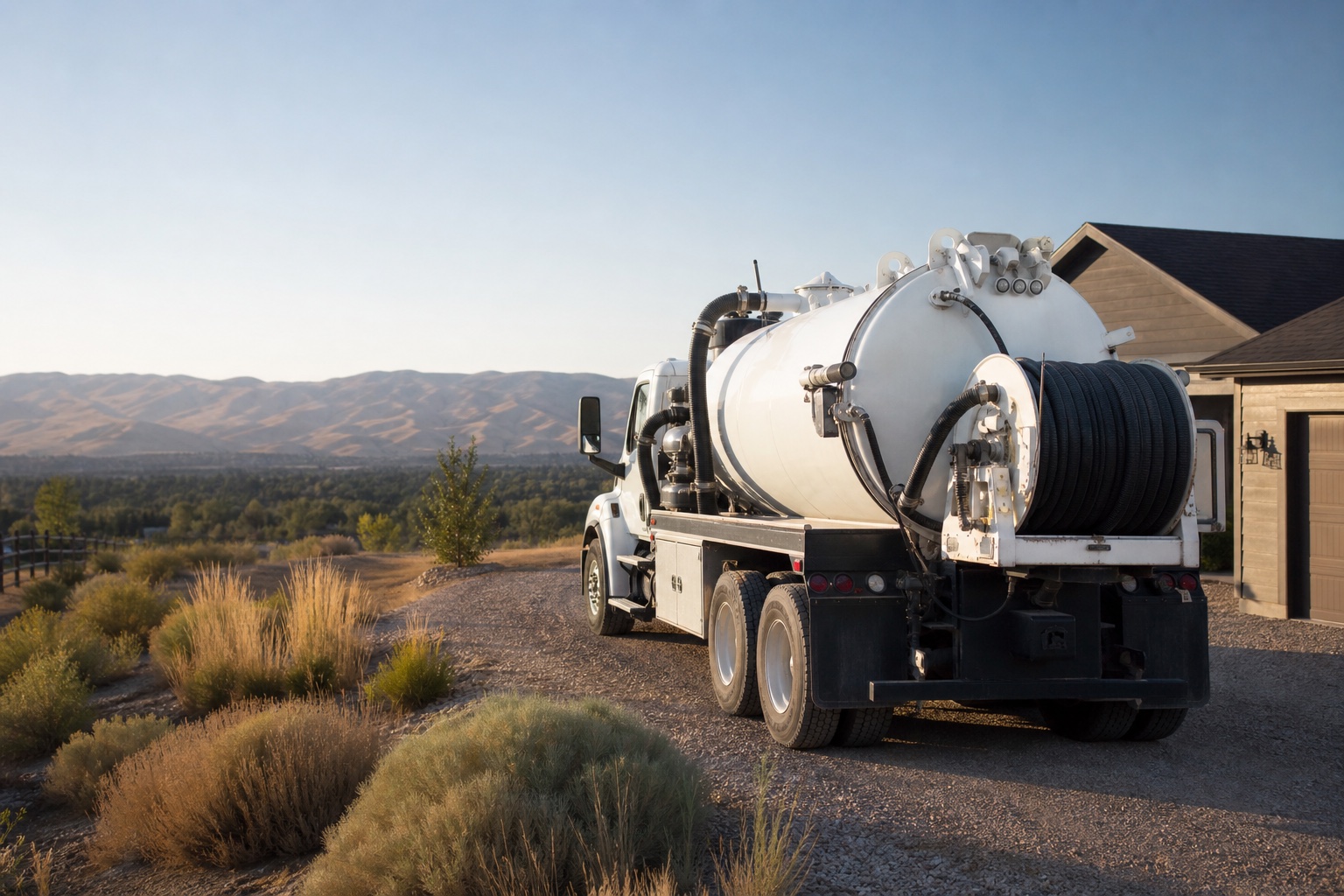
Pumping · cleaning · inspections · repairs
Septic Pumping Boise ID
We pump and clean septic tanks across the Boise area. Call for routine service, a whole-house backup, a tank or drainfield problem, or an inspection.
Mon–Sat, 7:00 AM – 7:00 PM · Urgent backup calls accepted at any hour
- 3–5 yr Common pump interval Idaho DEQ guidance, adjusted by measured solids and use.
- 8–12 feet Typical CDH test holes The owner arranges excavation for the site review.
- 20% Standard-field slope limit Natural slope is one part of site suitability.
- IDAPA 58.01.03 Current Idaho rule Health districts administer the statewide requirements.
Septic pumping starts with the right tank access
We handle routine pump-outs, septic cleaning, backups, inspections, alarms, tank repairs, and drainfield problems. Give us the exact address first. Boise’s center is sewered, while older fringe properties and nearby rural communities still use individual systems.
For a pump-out, we need the tank size if known, the last service date, the main-lid location, and a firm place for the truck. Tell us about buried lids, extra compartments, long hose runs, gates, slopes, irrigation, snow, and soft shoulders before the truck heads out. That lets the contractor quote the actual work and arrive prepared.
Calls are answered by an independent Idaho septic contractor serving this area. The contractor confirms availability, scope, price, credentials, and contract terms. Call (208) 297-2198 and tell us what the drains, tank, alarm, or yard are doing.
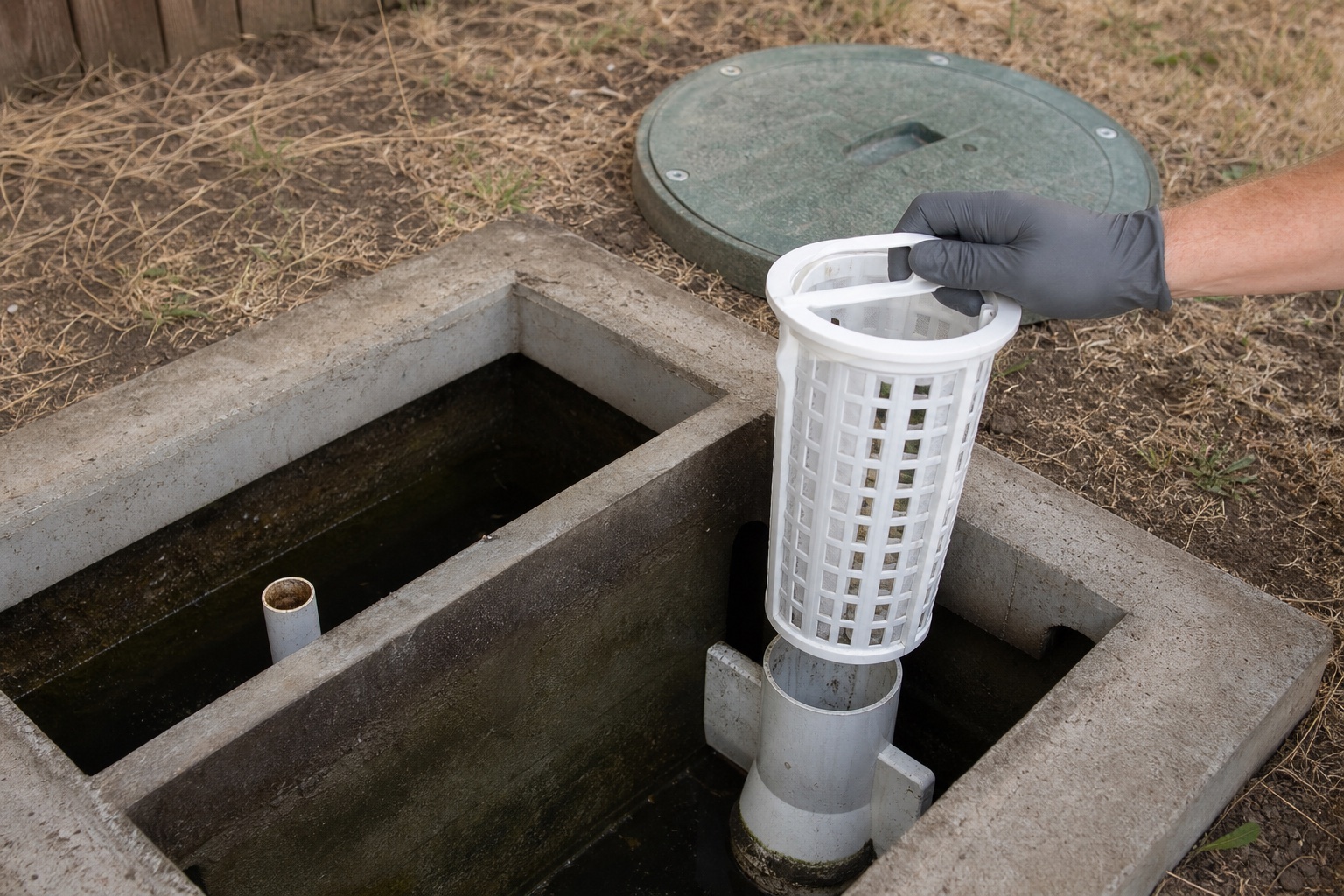
What we do
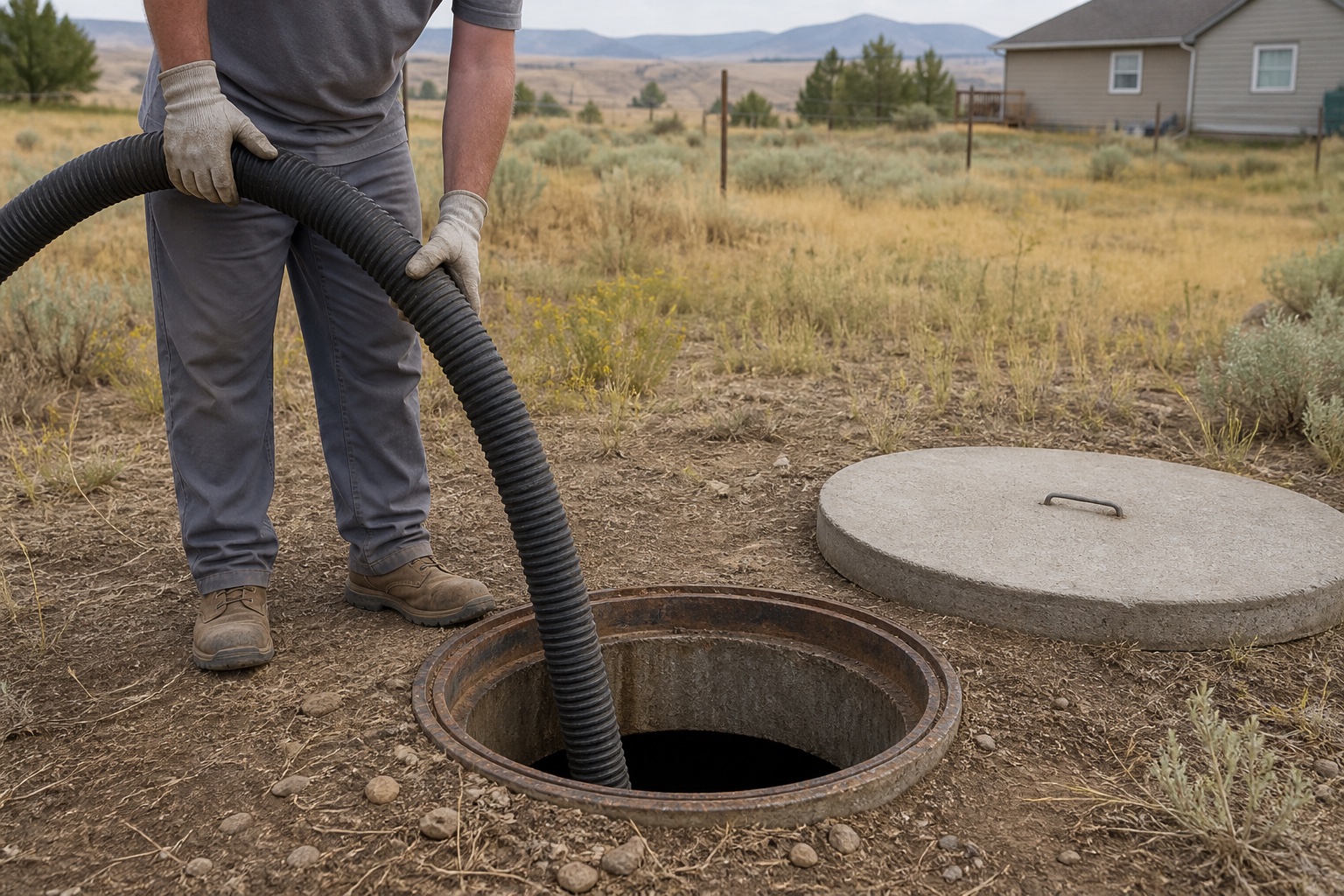
What happens during a pump-out
-
Check the address
We confirm the property uses septic and look for the permit drawing, tank size, compartments, and last service ticket.
-
Plan truck access
Tell us where the main lid is, where the truck can park, and whether gates, grade, irrigation, snow, pets, or livestock are in the way.
-
Pump the whole tank
We measure the layers, break up the scum mat, remove accumulated waste, and clean every accessible compartment.
-
Check and document
We note removed volume, scum and sludge depths, baffles, visible damage, and any repair that should be quoted separately.
Septic permits in Ada and Boise counties
Central District Health issues onsite permits in Ada and Boise counties. The application can require a legal description, dimensioned plot plan, building floor plan, full replacement field, and owner-arranged test holes near the proposed absorption area.
Test holes are generally 8–12 feet. Some sites need weekly groundwater readings from February 15 through June 30. Irrigated ground may need readings from April 15 through October 31. CDH’s 2026 drought notice says unusually low readings may have to be repeated in a more representative year.
Read the Boise permit guide- $1,070
- current CDH new permit with test hole or site visit
- $535
- current no-visit and tank-only permit fee
- $178
- current septic-only mortgage survey fee
Plan a complete Boise pump-out
Find the main access and the service record
Start with the exact property address. A mapped sewer boundary does not settle whether an individual Boise parcel still has a septic system. A permit drawing or earlier pump ticket can identify the tank location, capacity, compartments, and prior service. Share those records when you call. They reduce guesswork before a truck is routed.
The crew needs access to the main lid, not only a small inspection opening. Mark gates, irrigation, soft shoulders, steep grades, overhead limbs, and the distance from firm truck parking. Keep vehicles, pets, and stored material away from the work zone. Never drive or stage heavy equipment over the tank or absorption area.
Use tank condition, not a calendar alone
Idaho DEQ describes three to five years as general maintenance guidance. It is not a fixed deadline for every Boise household. Tank size, occupancy, garbage-disposal use, and the measured scum and sludge layers change the interval. A service record that lists layer depths and volume removed gives the next contractor better evidence than an estimate based only on the last date.
Know what the permitted pumper handles
Idaho requires an operator of septic pumping equipment to hold a pumper permit that is renewed annually. The permitted truck carries its identifying number on the vehicle. During service, the crew can measure the layers, break up the scum mat, remove the accumulated waste, and check accessible baffles, walls, and the tank floor. Ask for the removed volume and visible condition to be recorded on the service ticket.
The permitted pumper transports the load to a treatment plant or another disposal location and method allowed by Idaho DEQ. The actual provider determines that route. We do not promise a particular receiving facility, and this website does not publish a credential number of its own. Calls are matched with an independent Idaho septic provider that confirms its permit, scope, price, and contract terms.
Separate pumping from permit work
Central District Health handles onsite permits and records in Ada and Boise counties. New systems and major repairs can require an application, plot plan, floor plan, fees, and owner-arranged test holes. Soil, groundwater, slope, and replacement-field space control feasibility. Along irrigated lowlands or foothill routes, those site conditions matter more than a neighborhood name. CDH makes the permit decision; a pumping company cannot promise approval.
Keep pumping and property-transfer questions separate as well. Central District Health offers a septic-only mortgage survey that a lender may request, but Idaho has no verified statewide rule requiring that survey for every sale. Retrieve the permit and pump history, then follow the lender's written instructions for the specific Boise transaction.
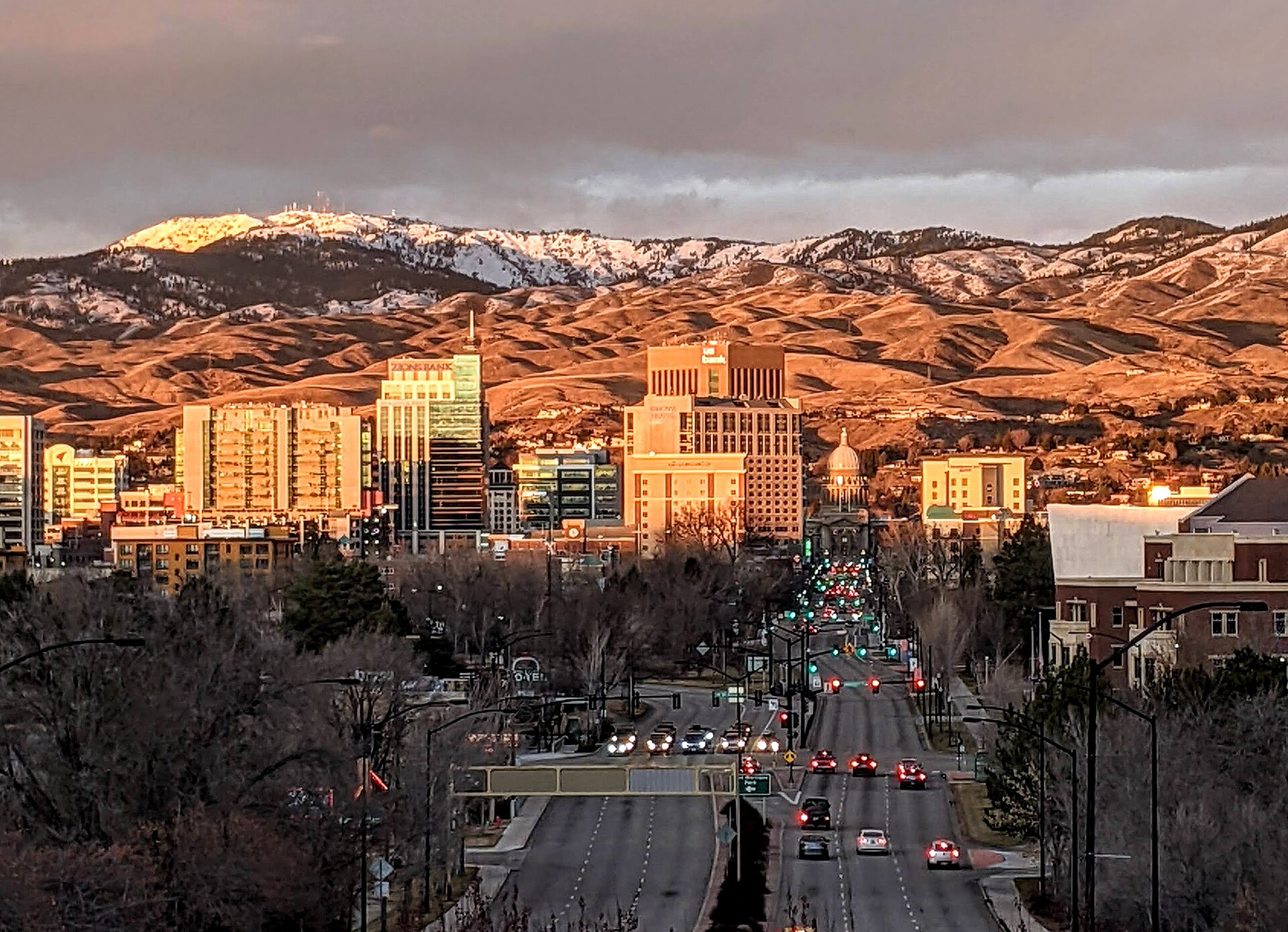
Boise-area homes and rural routes
We take calls in Boise ZIPs 83702, 83703, 83704, 83705, 83706, 83709, 83712, 83713, 83714, 83716 and by route in Eagle, Star, Kuna, Robie Creek, Garden Valley, rural Horseshoe Bend, rural Idaho City, and the rural Middleton fringe. Several city centers use sewer, so we check the exact address before dispatch.
Boise County routes can add steep grades, narrow roads, snow, gates, bridge limits, and tight turnarounds. Canyon County permit work goes through Southwest District Health instead of CDH. Tell us about the road and truck parking when you call.
Review every service area and regulatorWhere we work
Boise first, then nearby parcels in Ada, Boise, and Canyon counties that are confirmed to use septic.
Boise
The urban core is sewered, while older fringe properties and parts of the City area of impact still use individual systems. We check the exact address before dispatch.
Southwest Boise · West Bench · Northwest Boise · Collister · Foothills · Barber Valley · Airport
ZIPs 83702 · 83703 · 83704 · 83705 · 83706 · 83709 · 83712 · 83713 · 83714 · 83716
Nearby communities
Longer trips depend on the truck’s starting route. Tell us the exact address, road conditions, turnaround space, and safe parking before we accept a distant visit.
Boise septic pumping questions
How often should a Boise septic tank be pumped?
Idaho DEQ calls three to five years common guidance, not a deadline. We use tank size, household use, and measured scum and sludge to set the next interval.
How do I know whether my Boise address uses septic?
Check the sewer bill and utility information, then compare the address with Central District Health records. A house inside a mapped sewer boundary may still use an individual system.
What should I tell the dispatcher?
Give us the address, tank size if known, last pump date, main-lid location, hose distance from firm parking, gates, grade, irrigation, snow, and which fixtures are affected.
Who issues septic permits in Boise?
Central District Health administers IDAPA 58.01.03 in Ada and Boise counties. We can prepare or perform contractor work, but CDH issues the permit.
What should a pump-out receipt show?
The ticket should show the date, volume removed, scum and sludge depths, baffle condition, and visible wall or floor damage. Keep it with the permit drawing.
Schedule septic service near Boise
Call with the address, tank size if known, last pump date, main-lid location, truck access, and current symptoms.
What Our Customers Say
“Regular schedule for our restaurant. Records arrive on time for the health department. Once they ran a half hour behind, but they called first.”
“Showed up on time, opened the right lid, and showed me the sludge level before pumping. Left the lid sealed properly, which the last company did not.”
“Did the inspection for our home sale, wrote up the findings so the lender accepted them, and answered the buyer’s questions himself.”